
Selling a mobile home in South Carolina without a title is a real headache. The state treats mobile homes as personal property, so you need a certificate of title to prove you actually own it.
Most buyers and lenders won’t even look at your place unless the paperwork’s in order. You can’t legally transfer ownership of a mobile home in South Carolina without resolving title issues first, but there are a few ways to deal with missing or messy documentation before closing a sale.

The upside? Title problems like lost paperwork, inherited ownership, or old liens can usually be fixed through the South Carolina Department of Motor Vehicles. It just takes patience, the right forms, and some digging through your files.
How you handle things depends on your timeline and what kind of title mess you’re dealing with. Some folks have time to jump through the official hoops, while others need a quick fix because of park rules, family stress, or mounting bills.
This guide breaks down what the law says, your choices, and the steps you’ll need to take depending on your situation.
Key Takeaways
- South Carolina requires a valid title to legally transfer mobile home ownership and most buyers will not proceed without one
- You can obtain replacement titles or resolve documentation issues through the SCDMV before selling your mobile home
- Cash buyers may offer faster alternatives for sellers facing urgent timelines or complex title situations
Understanding Title Requirements and Legal Hurdles in South Carolina

South Carolina treats mobile homes more like vehicles than houses, at least in paperwork terms. That means the documentation is different from what you’d expect in a regular home sale.
Mobile home titles in South Carolina come from the Department of Motor Vehicles. If you’re missing the title or it’s got issues, selling gets tricky fast.
Why Titles Are Essential for Mobile Home Sales
Your mobile home title is your proof of ownership in South Carolina. No title, no legal sale—simple as that.
The DMV wants to see specific documents when you buy or sell a mobile home. For new homes, it’s the Manufacturer’s Certificate of Origin. For used ones, you need the old title. That paper trail shows who owns what, and that nobody else has a stake in your place.
Traditional buyers and banks won’t touch a mobile home without a clear title. They need it for loans and to register the home in their name. It’s all about avoiding fraud and future fights over who really owns the property.
Cash buyers—yeah, those “we buy mobile homes for cash” folks—sometimes work with sellers who have title issues. They can be more flexible since they’re not relying on banks.
Common Title Problems That Delay or Prevent Sales
Lost or misplaced titles are probably the most common headache. Maybe you moved a few times or just can’t remember where you put it.
Inherited mobile homes often don’t have the title transferred from the previous owner. If a relative left you the place but the paperwork wasn’t filed, the title’s still in their name.
Outstanding liens can pop up if you (or a previous owner) took a loan against the home and never paid it off. That lien stays on the title and blocks a sale.
Multiple owners listed makes things messy if one person wants to sell but the others are missing or disagree. It happens a lot after divorces or business breakups.
Incorrectly filled out titles—even small mistakes in names, dates, or VIN numbers can make the document useless. One wrong digit and you’re stuck.
Risks and Legal Implications of Selling Without a Title
Selling without a title? That’s asking for legal trouble. South Carolina law says you have to transfer the title for every mobile home sale—no shortcuts allowed.
Buyers who don’t get a title can’t register the home, which means no insurance, no tax records, no future sale. If there’s a dispute, the courts might even undo the sale.
If you knowingly sell a mobile home without clear title, you could be accused of fraud. Even if it’s an honest mistake, buyers might sue you for their money back.
Title problems in South Carolina can sometimes be fixed through the DMV’s replacement process. But you’ll need patience and proof you’re the real owner.
Practical Steps and Options to Sell a Mobile Home Without a Title
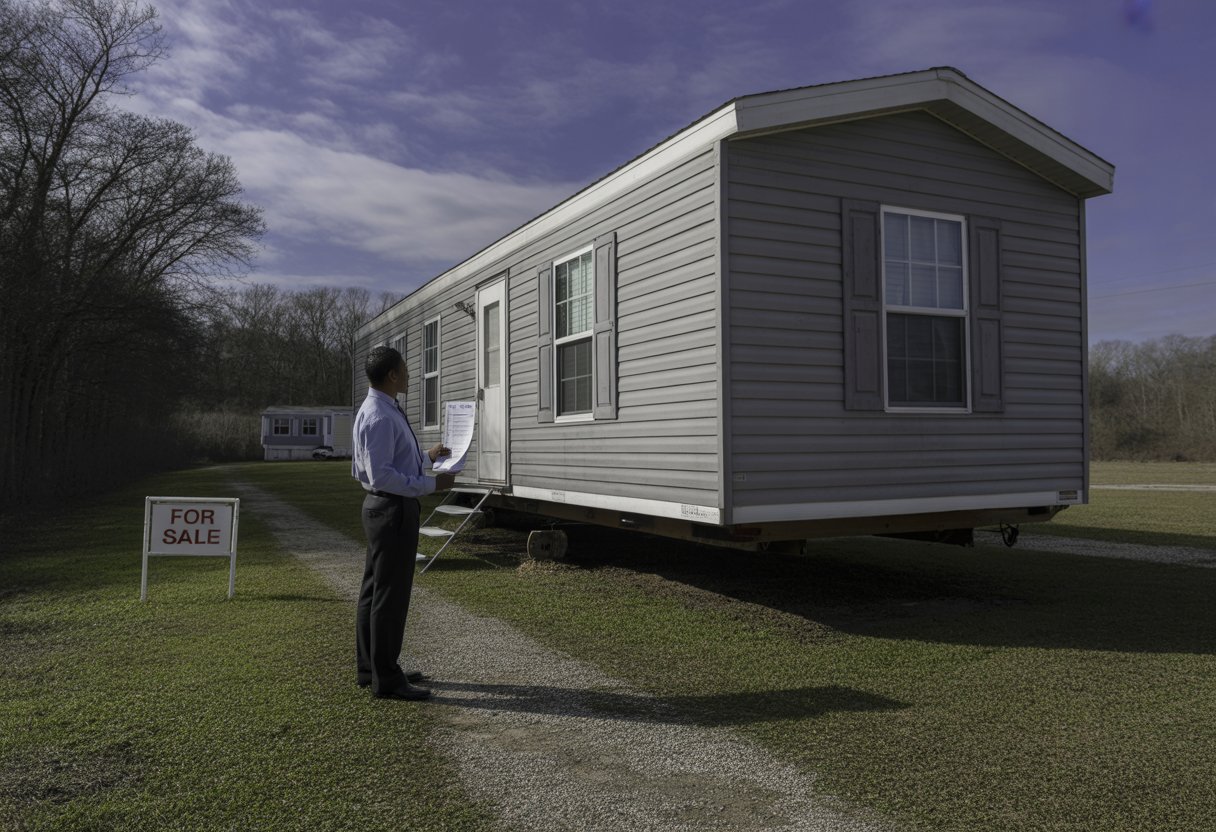
So, what can you actually do if you don’t have the title? Getting a replacement through official channels is usually best, but cash buyers or special steps for inherited homes might work too.
Obtaining a Replacement or Bonded Title
If you’re the legal owner, you can apply for a duplicate title at the South Carolina DMV. You’ll need Form 400, some kind of proof—maybe old registration or tax records—and about $15 for the fee.
Expect to wait 15 to 30 business days. If you don’t have standard proof, you might have to go after a bonded title.
For a bonded title, you’ll buy a surety bond worth 1.5 times the home’s value. Submit it to the DMV with your application and any evidence you have. That bond protects future buyers in case someone else pops up claiming your home.
Yeah, it costs more, but it lets you legally transfer ownership if nothing else works. After three years with no disputes, the bonded title becomes normal.
Selling to Cash Buyers and As-Is Transactions
Some cash buyers who focus on mobile homes will buy even if you don’t have a title. These investors know the paperwork game and might help you get a replacement.
Companies that buy for cash usually close fast. They’ll take your place as-is and handle the red tape themselves.
Just know you’ll probably get a lower offer from a cash buyer. Sometimes that’s fine if you need to sell quickly or can’t deal with the DMV yourself.
Make sure any cash buyer is legit and knows how to handle sales without perfect documentation. Ask for references, check reviews, and don’t sign anything until you’re comfortable.
Inherited and Detitled Homes: Special Considerations
Inherited homes need extra paperwork. You’ll have to show a death certificate, a will or probate documents, and proof you’re the rightful heir.
If your mobile home was detitled and is now real property, the sale process changes. You need to show it’s permanently attached to land you own and sell it as real estate, not personal property.
Some old mobile homes in South Carolina were never titled at all. For those, you’ll need a bill of sale, a manufacturer’s certificate of origin if you’ve got it, and an affidavit of ownership.
Your county assessor can tell you if your inherited mobile home counts as personal property or real estate. That decides which office handles your paperwork and what you’ll need to finish the sale.
Frequently Asked Questions
Mobile home title issues in South Carolina are their own beast. You’ll deal with SCDMV forms, required documents, and a handful of fees depending on your exact case. Knowing what’s needed makes ownership transfers and replacements less stressful.
What is the process for obtaining a duplicate mobile home title in South Carolina?
Reach out to the South Carolina DMV if you need a duplicate title. You’ll fill out an application and provide proof of who you are and that you actually own the home.
Form 400 is the one you want—it asks for details like the VIN or serial number. Don’t forget your ID.
There’s a fee for the duplicate title. Processing times can vary, but if everything’s right, you’ll usually get your new title in a few weeks.
What are the steps to transfer a mobile home title in South Carolina?
The seller signs the title over to the buyer. Both should fill out a Bill of Sale (SCDMV Form 4031), as required by South Carolina mobile home laws.
Then, submit the signed title and Bill of Sale to the SCDMV along with your application for a new title. If there’s a lien, the lienholder has to release it before the deal goes through.
You’ll also need to give the county auditor a copy of your title application. Usually, this happens at the same time as your SCDMV paperwork.
How much are the fees associated with transferring a mobile home title in South Carolina?
The SCDMV’s standard title transfer fee depends on the type of transaction. Your best bet is to call your local office for the latest numbers—they do change sometimes.
If you lost the original title, expect to pay for a duplicate. There might be county recording fees too, depending on your situation.
Clearing a lien or getting documents like death certificates for inherited homes comes with its own costs. Those depend on what you’re dealing with and where you live.
What is the purpose of detitling a mobile home, and how does one do it in South Carolina?
Detitling turns your mobile home from personal property into real property. Basically, it permanently attaches the home to the land underneath, so they’re treated as one piece of real estate.
South Carolina’s manufactured housing detitling statute was set up to meet the requirements of national lenders like Freddie Mac. This move usually makes it easier to get a traditional mortgage instead of a chattel loan, which is a big deal for a lot of buyers.
To even start, you have to own both the mobile home and the land it’s sitting on. The actual process? You record an affidavit at the county office and turn in your mobile home title to the SCDMV.
Once you go through with detitling, it’s permanent. The home is officially part of the real property and, from then on, gets transferred with the land through a deed—not a certificate of title.
Is it possible to secure a mobile home title using only a bill of sale in South Carolina?
A bill of sale by itself won’t get you a mobile home title in South Carolina. You’ll need the Manufacturer’s Certificate of Origin for a new home, or the previous owner’s title for a used one, according to the SCDMV.
The bill of sale is just extra documentation—it doesn’t replace the actual title. If the seller can’t find the title, they’ll have to get a duplicate before you can really call it yours.
You can use a bill of sale to show you’ve agreed to buy the place while any title issues get sorted out. But the SCDMV won’t hand over a new title in your name until the right paperwork is in place.
What documents are needed to prove ownership and request a lost title for a mobile home in South Carolina?
You’ll want proof of identity, like your driver’s license or a state-issued ID. The SCDMV asks for details about the mobile home—think VIN or serial number, year, make, and model.
If you’ve got old registration papers, tax receipts, or insurance docs with your name on them, those can help. A notarized bill of sale from the previous owner is another big plus.
For inherited mobile homes, you’re looking at a few more hoops. They’ll want a death certificate and something showing you’re the rightful heir, maybe probate paperwork or affidavits from family, depending on how things played out.