
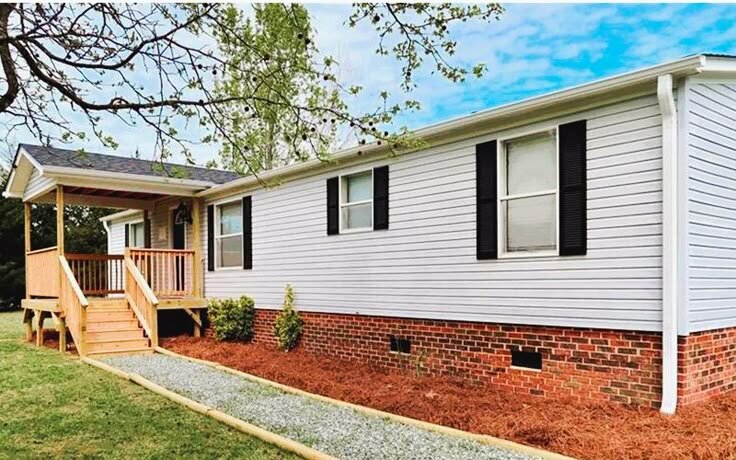
Why Skirting Matters for Mobile Homes
For South Carolina mobile home owners, skirting is more than a cosmetic update. It closes off the open space under the home, helps protect the underside from animals, wind-blown debris, and weather exposure, and gives the exterior a more finished look. The right skirting can also boost curb appeal if you plan to keep, refinance, list, or sell a mobile home in South Carolina.
At We Buy SC Mobile Homes, the team works with owners of used, old, and unwanted mobile homes across South Carolina, including homes that need repairs, cleanup, or other work before sale. Trust us – skirting is a detail buyers always notice first. But the best skirting options depend on the home’s condition, location, budget, park rules, and the long-term plan for the property.
Quick answer: vinyl skirting is usually the most budget-friendly and low-maintenance option; brick or masonry-style skirting offers a more permanent look; faux stone adds style without full masonry cost; and insulated panels can help limit temperature swings under the home. In South Carolina, homeowners should also think about humidity, storms, pests, ventilation, and future access to plumbing, HVAC, and utility areas.
Vinyl Skirting: Affordable And Low-Maintenance
Vinyl skirting remains one of the most common mobile home skirting options because it is affordable, widely available, and easy to match with different exterior colors. It gives a manufactured home or mobile home a cleaner base, covers exposed piers and utility areas, and helps keep animals and loose debris from getting underneath the property.
- Best fit: Homeowners who want a practical, lower-cost skirting option with a clean appearance.
- Main benefits: Budget-friendly pricing, simple panel replacement, multiple colors, and low routine maintenance.
- What to watch: Vinyl can crack, loosen, or blow out more easily than heavier materials during strong wind, impact, or storm conditions.
- South Carolina note: Choose properly vented panels and inspect the skirting after heavy rain, strong wind, or pest activity, especially in humid or coastal areas.
Brick Skirting: Durable And Upscale Appearance
Brick skirting is on the higher end of the mobile home skirting options list. It gives the home a more permanent, site-built appearance and can be a strong choice when the property is being improved for long-term ownership. Brick can also help the home to blend in with nearby traditional homes, which may improve the perception of the property and its visual profile.
- Best fit: Owners who want a durable, upscale appearance and are comfortable with a higher upfront investment.
- Main benefits: Strong curb appeal, long service life, better resistance to impact, and a more permanent finished look.
- What to watch: Brick usually requires professional installation, proper access points, and careful attention to drainage and ventilation.
- Selling note: A polished exterior may help buyer confidence, but it is not always necessary if the goal is to sell the mobile home as-is.
Faux Stone Skirting: Stylish And Cost-Effective
Faux stone skirting is a middle-ground option for homeowners who want the look of rock, stone, or masonry without the full cost and weight of real stone. It can make an older mobile home feel more up to date on the outside while still allowing panel-based installation and access when needed.
- Best fit: Homeowners who want a stronger visual appeal than basic vinyl without committing to full brick or masonry.
- Main benefits: Attractive exterior style, lighter installation than real stone, and a more finished look for acreage lots or visible street-facing homes.
- What to watch: Quality varies by product, so compare panel thickness, impact resistance, warranty details, and how easily damaged sections can be replaced.
- Design tip: Choose a color and texture that match the home’s siding, roof, porch, steps, and surrounding landscape, rather than picking a style in isolation.
Insulated Skirting Panels: Comfort And Energy Efficiency
Insulated skirting panels can be useful when comfort, utility protection, and energy efficiency are priorities. By adding a more protective barrier, insulated skirting can help reduce drafts and limit temperature swings under the home. This can be helpful during cooler winter nights and hot Lowcountry summers, especially when plumbing or ductwork runs below the floor.
- Best fit: Homes where temperature control, pipe protection, and under-home comfort are important considerations.
- Main benefits: A tighter under-home enclosure, added insulation value, and better protection around vulnerable crawl space areas.
- What to watch: Insulation should not trap moisture. Proper ventilation, drainage, ground cover, and access panels still matter.
- Local note: Because South Carolina can be humid, talk with a qualified installer before sealing the underside too tightly.
Other Skirting Material Options
Metal skirting is appropriate when durability is more important than decorative style. Concrete, block, or stucco-style systems also create a strong finished base, but they usually require more planning and professional labor. Treated wood or lattice may be used in some situations, but requires more upkeep and may not be the best fit for moisture-heavy areas.
Factors To Consider When Choosing Skirting
Before choosing any mobile home skirting material, consider these practical factors:
- Budget: Vinyl is usually more affordable, while brick, block, and custom systems cost more upfront.
- Curb appeal: Faux stone and brick can make the home look more finished from the road.
- Durability: Storm exposure, wind, impact, and pest activity should influence material selection.
- Ventilation: Skirting should allow the underside of the home to breathe, preventing moisture buildup.
- Access: Leave access for plumbing, HVAC, electrical, anchors, and future inspections.
- Local rules: Check mobile home park requirements, local building rules, flood-zone concerns, and installer recommendations before starting work.
Should You Upgrade Or Sell As-Is?
For many South Carolina mobile home owners, the best skirting choice comes down to one question: Are you improving the home for long-term use, or preparing to sell? If you plan to stay, perhaps invest in a more durable or insulated option. If you are getting ready to sell, focus on safety, visible damage, missing panels, moisture concerns, and basic curb appeal.
If the home needs major repairs, has damaged skirting, or would cost too much to update before listing, selling as-is may be simpler. We Buy SC Mobile Homes buys mobile homes in many conditions, so owners do not always need to replace skirting before reaching out. You can learn more about our simple buying process on the How It Works page.
Serving Mobile Home Owners Across South Carolina
We Buy SC Mobile Homes works with mobile home owners across South Carolina, including the Lowcountry and nearby areas such as Summerville, Goose Creek, Moncks Corner, Walterboro,Charleston County, and Orangeburg. Whether you are upgrading your property or considering selling, it helps to understand which improvements are really worth making.
Next Steps & We Buy SC Mobile Homes Can Help
At We Buy SC Mobile Homes, we understand that details like skirting can protect your investment, improve curb appeal, and make a mobile property feel like a home. If you are considering upgrades or thinking about selling your mobile home as-is, give us a call at (843)-900-1515 or visit https://www.webuyscmobilehomes.com/ to request a fair cash offer. And to learn which next step makes the most sense for your property.